Nearly 70 percent of organizational change efforts fail because leadership overlooks the power of culture. Every interaction, decision, and message from leaders sends signals that build the foundation of workplace dynamics. When leaders understand the true influence they hold, they unlock environments where people feel valued, creative, and committed. This insight can transform not just the atmosphere but the entire trajectory of an organization.
Key Takeaways
Point
Details
Impact of Leadership on Culture
Leaders shape organizational culture through their behaviour and communication, fostering empowerment and motivation within the team.
Cultural Models
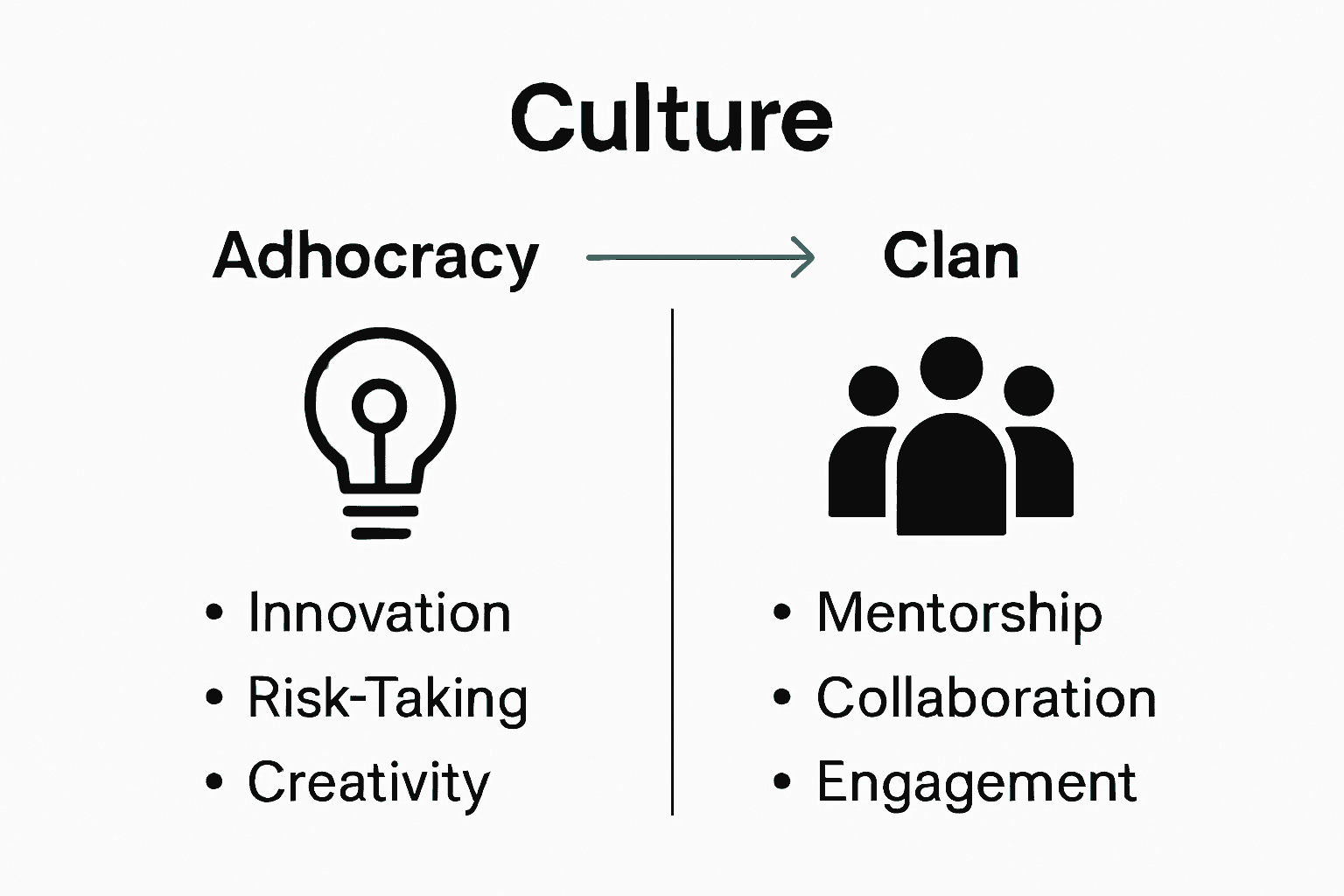
Effective leaders cultivate specific cultural environments, such as Adhocracy for innovation and Clan for collaboration, reflecting their values and vision.
Leadership Behaviors
Key behaviours, such as emotional intelligence and transparent communication, significantly enhance trust and clarity within the organization.
Challenges in Cultural Change
Leaders must navigate obstacles such as unclear visions and entrenched norms to sustainably implement successful cultural transformations.
Leadership is about shaping the organizational heartbeat that drives everything from daily interactions to long-term strategic vision. Leaders fundamentally create the invisible architecture of workplace culture through their behaviours, communication, and fundamental approach to people.
According to research from BMC Health Services Research, supportive leadership behaviours have profound implications. Specifically, leaders who support employee autonomy directly influence:
Employee perceptions of organizational attractiveness
Innovative workplace behaviours
Overall organizational culture dynamics
This means leadership isn’t a top-down directive process but a nuanced, interactive ecosystem where every leadership action ripples through the entire organization. The most effective leaders understand they’re not just managing tasks, but cultivating an environment where people feel empowered, respected, and motivated. Learn how cultural awareness transforms leadership by delving into the intricate relationship between leadership approaches and organizational culture. Culture is intentionally crafted through consistent, authentic leadership practices that prioritize human potential over mechanical productivity.
Types of Culture Shaped by Leaders
Leaders are the primary architects of organizational culture, strategically crafting environments that reflect their vision, values, and leadership philosophy. Cultural typologies emerge through deliberate leadership behaviours that signal what the organization truly values and rewards.
According to research from Empatyzer, leaders can actively shape two distinct cultural models:
Adhocracy Culture: Characterized by encouraging innovation, risk-taking, experimentation, and creativity
Clan Culture: Focused on mentorship, collaboration, mutual development, and deep employee engagement
Further insights from leadership research reveal that culture is also profoundly influenced by leaders who promote:
Emotional intelligence
Commitment to core organizational values
Open and transparent communication
Genuine inclusivity and diversity advocacy
Explore how leadership transforms cultural dynamics, understanding that culture isn’t a static construct but a living, breathing ecosystem continuously shaped by leadership behaviours. The most successful organizations recognize that culture is an intentional masterpiece crafted through consistent, authentic leadership practices.
Leadership Behaviours that Influence Culture
Leaders sculpt organizational culture through their everyday behaviours and interactions. Organizational transformation happens not through grand declarations, but through consistent, intentional actions that signal what truly matters.
According to research from Richard Reid, key leadership behaviours that drive cultural development include:
Demonstrating high emotional intelligence
Self-awareness and empathy
Strong interpersonal skills
Openly communicating core organizational values
Advocating for inclusivity and diversity
Research from an empirical study further highlights critical leadership behaviours that shape high-performance cultures:
Providing constructive, meaningful feedback
Communicating goals with exceptional clarity
Establishing transparent role expectations
Encouraging proactive team initiative
Discover transformative leadership approaches that go beyond traditional management. Culture is deliberately crafted through leaders who understand that their actions create ripple effects far beyond immediate operational outcomes. The most powerful leaders recognize that they’re not just directing work, but continuously sculpting an environment where people can thrive.
Here’s a comparison of how different leadership behaviours influence organizational culture:
Leadership Behavior
Impact on Culture
Emotional intelligence & empathy
Builds trust
Encourages collaboration
Transparent communication
Fosters openness
Clarifies expectations
Support for autonomy
Boosts motivation
Promotes innovation
Commitment to core values
Strengthens shared purpose
Shapes ethics
Inclusivity advocacy
Enhances diversity
Drives belonging
Feedback & role clarity
Improves performance
Reduces confusion
Common Challenges in Shaping Culture
Transforming organizational culture is a complex journey fraught with systemic obstacles that can derail even the most well-intentioned leadership efforts. Understanding these challenges is the first critical step in navigating cultural change effectively.
According to research from Fire Up Culture, leaders frequently encounter several persistent challenges:
Unclear organizational vision
Deeply entrenched existing norms
Significant resistance to change
Wavering strategic priorities
Inconsistent leadership commitment
Organizational impatience
Communication gaps during transformation
Further insights from The Culture Factor reveal additional nuanced challenges that complicate cultural transformation:
Misdiagnosing culture through perception instead of data
Leadership misalignment (failing to ‘walk the talk’)
Lack of a clear implementation strategy
Difficulty measuring and sustaining cultural progress
Learn how to overcome leadership transformation barriers by recognizing that cultural change is not a linear process but an adaptive, iterative journey. The most successful organizations approach cultural transformation with patience, data-driven insights, and an unwavering commitment to genuine, sustainable change.
Best Practices for Sustainable Cultural Change
Sustainable cultural transformation is a deliberate, strategic journey that requires a nuanced understanding and persistent commitment. Organizational evolution demands more than surface-level changes; it requires profound, meaningful shifts in collective behaviours and mindsets.
According to research from The Culture Factor, practical strategies for sustainable cultural change include:
Insights from Klaxoon further highlight critical best practices:
Communicating vision transparently to all stakeholders
Empowering teams by avoiding micromanagement
Utilizing storytelling to engage employees
Maintaining timeline flexibility based on ongoing feedback
Explore strategies that prioritize behavioural transformation, understanding that genuine cultural change isn’t about repackaging existing processes, but fundamentally reimagining how work gets done. The most successful organizations recognize that sustainable change is an ongoing dialogue, not a destination.
Ready to Transform Leadership Into Lasting Culture Change?
Organizational culture is shaped by every leadership action, but changing that culture for the better can feel overwhelming. As highlighted in “The Essential Guide to Leaders’ Role in Culture,” leaders struggle with resistance, misalignment, and the challenge of sustaining true change. Without a framework that centers on people and continuous growth, efforts often stall, leaving your organization stuck in outdated habits.
Unlock sustainable results with guidance tailored for your unique challenges. At Berriault & Associates, our proven programs blend behavioural insights, people-first strategies, and adaptive tools like Five Behaviors™ and Everything DiSC™. Explore how our leadership transformation insights and cultural awareness resources empower you to move from theory to real, measurable change. Book your discovery call today and start building a culture where leadership drives peak performance in any environment.
Frequently Asked Questions
How do leaders impact organizational culture?
Leaders shape organizational culture through their behaviours, communication, and approaches to employee engagement, creating an environment that fosters empowerment, trust, and motivation.
What types of culture can leaders create within an organization?
Leaders can actively shape distinct cultural models, such as Adhocracy Culture, which encourages innovation and risk-taking, and Clan Culture, focused on mentorship and collaboration among employees.
What are the key leadership behaviours that influence culture?
Key behaviours include demonstrating emotional intelligence, communicating core values transparently, advocating for inclusivity, providing constructive feedback, and establishing clear expectations and goals.
What challenges do leaders face when trying to shape culture?
Leaders often encounter challenges such as an unclear organizational vision, resistance to change, entrenched norms, communication gaps, and inconsistent leadership commitment during cultural transformation.