Most teams never reach their full potential because the foundations of trust, clarity, and collaboration are often overlooked. Studies reveal that up to 80 percent of teams operate below optimal levels, leaving valuable productivity untapped. When team roles, communication, and feedback systems align, performance rises and innovation thrives. Discover how a structured approach to team dynamics can reveal hidden strengths, close critical gaps, and ignite consistent success for any organization.
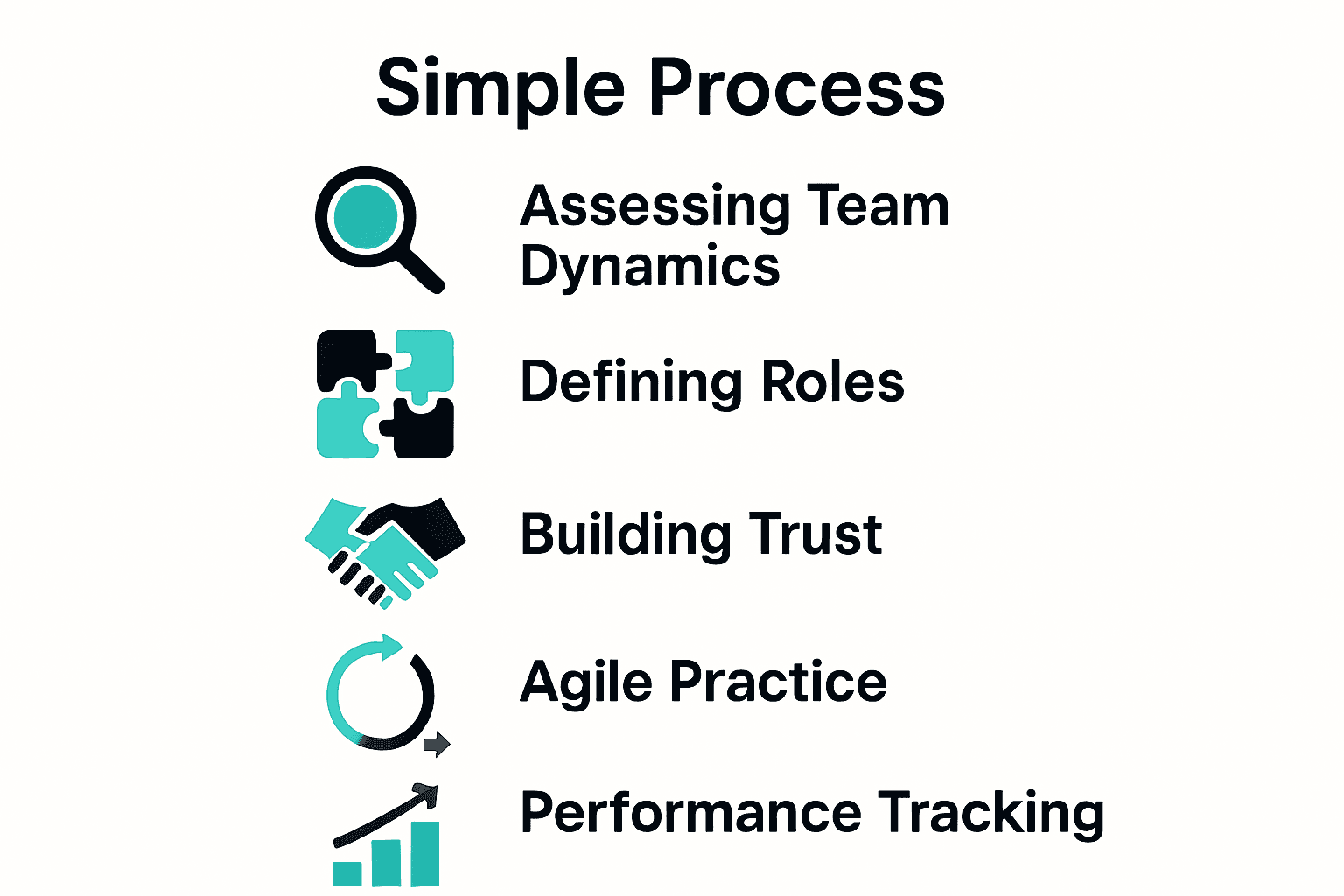
Evaluate team interactions and feedback to uncover strengths and gaps in performance.
2. Define Clear Roles and Purpose
Establish specific responsibilities and a collective mission to enhance accountability and communication.
3. Foster Trust and Psychological Safety
Create an environment that fosters vulnerability and open dialogue, free from fear of judgment.
4. Implement Agile Collaboration Practices
Utilize flexible collaboration frameworks to facilitate rapid iterations and continuous improvement in team collaboration.
5. Track Progress and Provide Feedback
Develop a systematic approach to performance tracking that helps identify strengths and areas for growth.
Step 1: Assess Team Dynamics and Identify Gaps
Building high-performing teams starts with understanding your current team landscape. In this critical first step, you will systematically evaluate team dynamics to uncover hidden strengths and potential performance gaps. Building the Foundation for Success can provide additional context for this process.
According to research from the National Center for Biotechnology Information, effectively assessing team dynamics requires a comprehensive approach that examines social processes, psychological states, and performance outputs. Start by conducting a multi-dimensional assessment that includes:
Observing team interactions during meetings and collaborative projects
Collecting anonymous feedback through structured surveys
Analyzing individual and collective performance metrics
Reviewing communication patterns and collaboration effectiveness
The key is minimizing personal biases during data collection. As insights from corporate research suggest, gathering objective data ensures that you accurately pinpoint areas needing development. This means creating safe spaces for honest feedback and using standardized assessment tools that provide consistent, measurable insights into team dynamics.
Warning: Avoid turning this assessment into an interrogation. The goal is understanding, not criticism. Your team members should feel supported and empowered by this process, rather than being judged or threatened. When people sense genuine interest in their growth, they become more open and collaborative.
Once you complete this assessment, you will have a clear roadmap of your team’s current performance landscape. The next step involves interpreting these insights and designing targeted interventions to bridge identified gaps and unlock your team’s full potential.
Step 2: Define Clear Roles and Shared Purpose
Transforming a group of individuals into a high-performing team requires more than just talent; it also requires effective leadership. You will now establish a crystal-clear framework that defines each team member’s specific responsibilities and aligns everyone toward a unified organizational goal. 7 Practical Examples of Team Dynamics for Leaders can help you understand how effective role definition works in practice.
Research from the Educational Resources Information Center highlights the crucial distinction between mere work groups and genuine teams. To build an exceptional team, you must move beyond individual tasks and create an environment of shared accountability and mutual understanding. Start this process by:
Conducting individual conversations with each team member
Mapping out precise role expectations and deliverables
Identifying unique strengths and potential collaboration opportunities
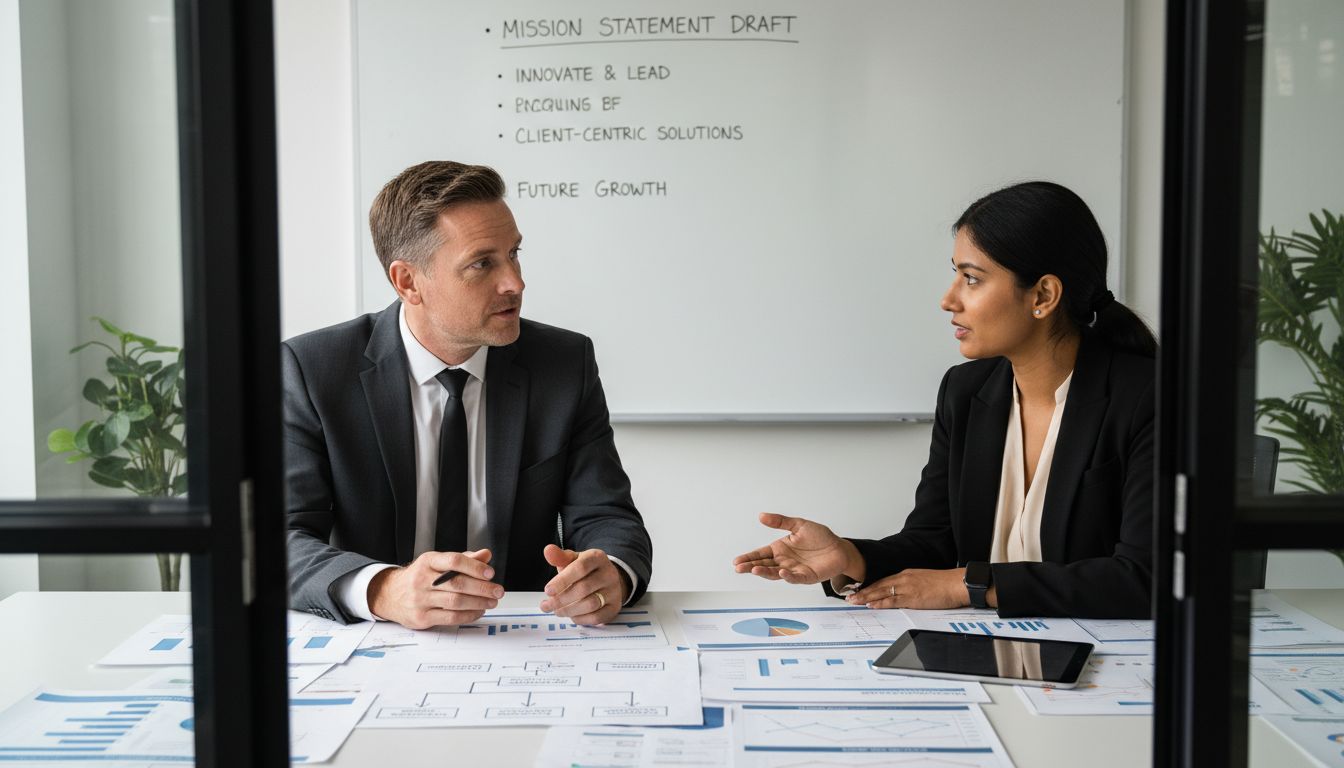
Creating a collective mission statement that resonates with everyone
The goal is to develop a sense of mutual respect and equality. According to additional research, successful teams are built on understanding how each individual’s role contributes to the broader organizational objectives. This means going beyond job descriptions and helping team members see the larger impact of their work.
Warning: Avoid creating rigid hierarchies that stifle creativity. A role definition should provide clarity without becoming overly restrictive. Think of roles as fluid frameworks that allow for adaptability and personal growth.
With clear roles and a shared purpose established, you’re ready to build the communication and trust necessary for true team synergy. The next step will focus on creating an environment where open dialogue and collaborative problem-solving become second nature.
Step 3: Establish Trust and Psychological Safety
Creating a high-performing team requires more than just talent and skills; it also necessitates effective leadership and collaboration. You will now learn how to build an environment where team members feel safe to be vulnerable, take risks, and share honest feedback without fear of judgment. 7 Ways to Build Team Trust for Lasting Success offers additional insights into this crucial process.
Research from the National Institutes of Health highlights the critical role of psychological safety in collaborative team dynamics. To establish this foundational element, focus on creating an environment that values openness and mutual respect. Start by:
Modelling vulnerability and transparency as a leader
Encouraging open dialogue and active listening
Responding to mistakes with curiosity instead of criticism
Celebrating collaborative efforts over individual achievements
Creating regular opportunities for team members to connect personally
Psychological safety is not about eliminating accountability but about creating a space where team members can take intelligent risks without fear of humiliation. According to research on team collaboration, this approach allows for more innovative problem-solving and deeper team engagement.
Warning: Building trust takes time and consistent effort. Avoid performative gestures or superficial team-building activities. Authentic trust develops through genuine interactions, consistent support, and demonstrated respect for each team member’s unique contributions.
With a foundation of trust and psychological safety established, you are now prepared to develop more robust communication channels and collaborative mechanisms. The next step will focus on creating structured yet flexible communication strategies that amplify your team’s collective potential.
Step 4: Implement Agile Collaboration Practices
Transforming your team into a responsive and adaptive unit requires more than traditional management approaches. You will now learn how to implement agile collaboration practices that enable rapid iteration, continuous improvement, and seamless communication. Complete Guide to Why Use Agile Frameworks provides additional context for this transformative process.
Research from the National Institutes of Health emphasizes the critical importance of adaptability in collaborative environments. To effectively implement agile practices, focus on creating a framework that prioritizes flexibility and rapid response. Start by:
Establishing short iterative work cycles (sprints)
Implementing daily stand-up meetings for quick status updates
Creating transparent project tracking systems
Encouraging cross-functional collaboration
Developing mechanisms for continuous feedback and adjustment
Agile collaboration is not about rigid rules but about creating a dynamic environment where teams can quickly respond to challenges and opportunities. This approach enables continuous learning, facilitates faster problem-solving, and fosters more engaged team members who feel empowered to contribute meaningfully.
Warning: Agile is not a one-size-fits-all solution. Avoid dogmatic implementation that feels more like bureaucracy than actual collaboration. The goal is to create a living system that adapts to your team’s unique needs and challenges.
With agile collaboration practices in place, you have established a robust framework for team responsiveness and innovation. The next step will focus on developing individual and collective skills that will further enhance your team’s performance and adaptability.
Step 5: Track Progress and Refine Team Performance
Measuring and improving team performance is an ongoing process that requires systematic assessment and strategic refinement. You will now learn how to create a robust tracking system that transforms performance data into actionable insights. How to Improve Team Performance for Lasting Business Success provides additional context for this critical step.
Research from the University of Washington highlights a comprehensive framework for team assessments that goes beyond simple metrics. To effectively track and refine performance, focus on a holistic approach that evaluates multiple dimensions:
Establishing clear and measurable team goals
Conducting regular performance reviews
Gathering both quantitative and qualitative feedback
Analyzing team dynamics and collaboration effectiveness
Creating personalized development plans for team members
Performance tracking is not about micromanagement but about creating a supportive environment for continuous growth. The goal is to identify strengths, address potential gaps, and provide targeted support that helps each team member and the collective unit reach their full potential.
Warning: Avoid turning performance tracking into a punitive exercise. Metrics should illuminate paths for improvement, not serve as a weapon for criticism. Approach data with curiosity and a genuine desire to support your team’s development.
With a robust performance tracking system in place, you have created a powerful mechanism for ongoing team optimization. The final step will focus on sustaining this momentum and embedding a culture of continuous learning and adaptation.
Unlock Your Team’s Full Potential with Expert Guidance
Building high-performing teams requires more than understanding roles or tracking performance. It demands cultivating trust, fostering psychological safety, and embracing agile collaboration to create lasting success. If you have felt frustrated by gaps in team dynamics or struggled to implement clear frameworks that truly engage every member, you are not alone. These challenges often block growth and innovation, but they also present a powerful opportunity for transformation.
At Berriault & Associates, we specialize in guiding leaders through precisely these challenges. Our proven, flexible programs use tools such as Five Behaviors™ and Everything DiSC™ to build adaptive leadership and empower teams to thrive in any environment. Whether you want to accelerate your agile transformation or deepen trust within your group, our tailored coaching and training solutions offer a people-centred approach that drives real behavioural change. Take the next step and explore how to transform your team dynamics by visiting our website today. Book a discovery call now and start unlocking sustainable growth and effective collaboration for lasting impact.
Frequently Asked Questions
How can I effectively assess team dynamics?
To assess team dynamics effectively, conduct observations during meetings, gather anonymous feedback, and analyze performance metrics. Start by creating a survey and distributing it within the next week to gain initial insights into how team members interact.
What steps should I take to define clear roles within my team?
To define clear roles, have individual conversations with each team member, outline specific expectations, and create a collective mission statement. Finish this process within one month to ensure everyone understands their unique contributions and feels aligned with the team’s goals.
How can I establish trust and psychological safety in my team?
To establish trust and psychological safety, model vulnerability as a leader and encourage open communication. Regularly incorporate team-building activities and personal check-ins to create a supportive atmosphere; aim to do this during weekly meetings.
What agile collaboration practices should I implement?
You can implement agile collaboration practices by establishing short work cycles, holding daily stand-up meetings, and fostering cross-functional collaboration. Begin these practices within two weeks to enhance your team’s adaptability and responsiveness.
How do I track team performance and refine our processes?
To track team performance, set clear and measurable goals, conduct regular reviews, and collect both quantitative and qualitative feedback. Create a performance tracking system by the end of the quarter to help identify strengths and areas for improvement systematically.
What strategies can sustain high team performance over time?
To sustain high team performance, embed a culture of continuous learning and adaptation by encouraging regular feedback and skill development. Start by implementing monthly training sessions to keep skills sharp and foster ongoing growth.


 This means going beyond job descriptions and helping team members see the larger impact of their work.
Warning: Avoid creating rigid hierarchies that stifle creativity. A role definition should provide clarity without becoming overly restrictive. Think of roles as fluid frameworks that allow for adaptability and personal growth.
With clear roles and a shared purpose established, you’re ready to build the communication and trust necessary for true team synergy. The next step will focus on creating an environment where open dialogue and collaborative problem-solving become second nature.
This means going beyond job descriptions and helping team members see the larger impact of their work.
Warning: Avoid creating rigid hierarchies that stifle creativity. A role definition should provide clarity without becoming overly restrictive. Think of roles as fluid frameworks that allow for adaptability and personal growth.
With clear roles and a shared purpose established, you’re ready to build the communication and trust necessary for true team synergy. The next step will focus on creating an environment where open dialogue and collaborative problem-solving become second nature.